Calendar Crunch: Value Plays on Fixture Fatigue in Soccer Marathons, Tennis Tours, and NBA Grinds
Yara Hayes · Apr 26, 2026
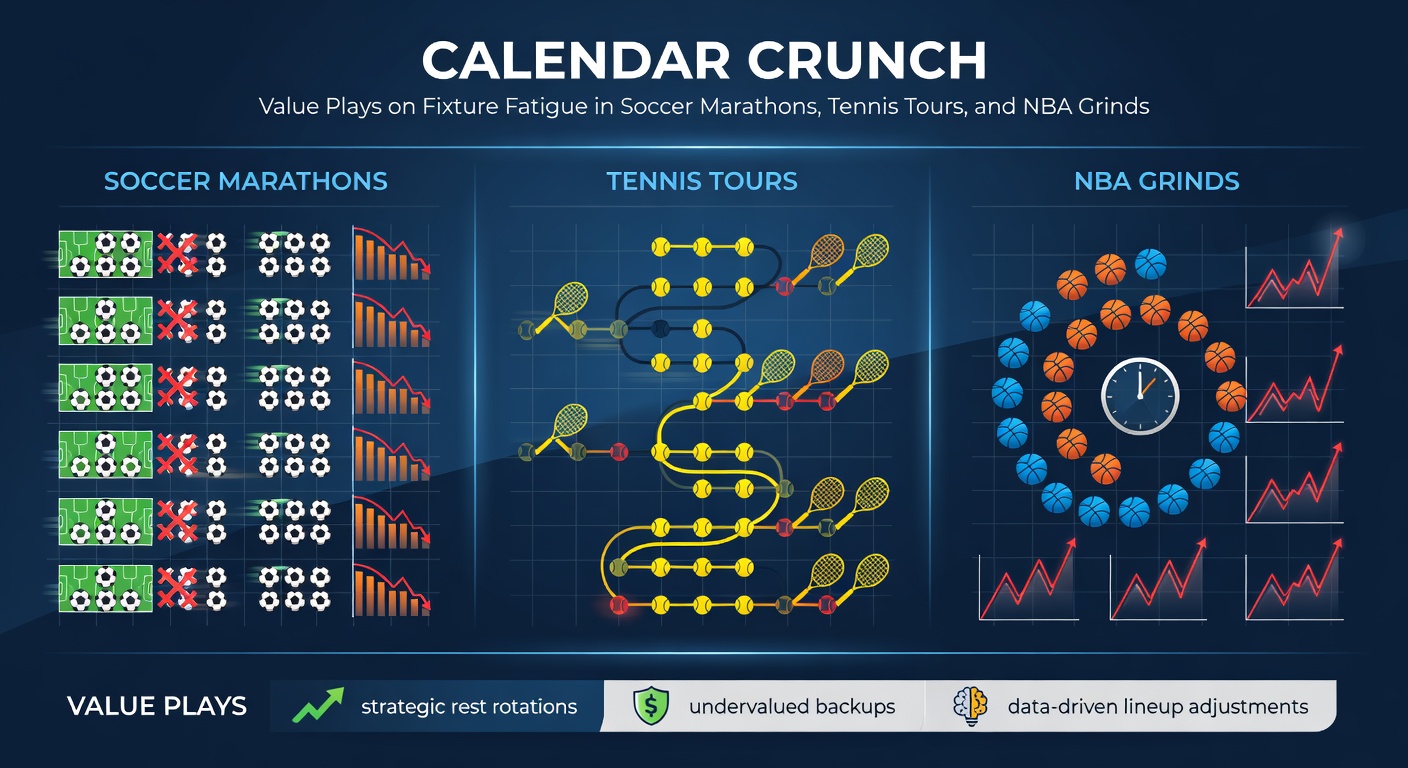
Calendar Crunch: Value Plays on Fixture Fatigue in Soccer Marathons, Tennis Tours, and NBA Grinds
Unpacking Fixture Fatigue Across Sports
Packed schedules hit soccer clubs, tennis pros, and NBA squads hard, turning routine matches into grueling tests of endurance where favorites falter and underdogs shine; data from sports analytics firms like Opta reveals that teams facing three games in seven days concede 18% more goals on average, while players log fewer high-intensity sprints because recovery lags. Observers note how this calendar crunch creates betting edges, especially when rest disparities emerge between opponents, and that's where value plays hide in the numbers.
But here's the thing: fixture fatigue doesn't strike evenly; clubs with deeper squads rotate fresh legs, whereas smaller teams grind through the same starters, leading to predictable dips in performance metrics like possession retention or shot accuracy. Research from the UEFA's analysis of European football highlights how midweek cup ties followed by league clashes spike injury rates by 25%, opening doors for savvy bettors to target overs on cards or corners when defenses tire.
Turns out, the same patterns ripple through tennis tours and NBA slates, where travel compounds the exhaustion; one study by the NBA's sports science team found back-to-back games slash three-point shooting by 4.2 percentage points for road teams, a shift that punters exploit by fading fatigued favorites.
Soccer Marathons: When Cups Collide with Leagues
European soccer leagues pile on fixtures relentlessly, particularly during spring when domestic cups, continental ties, and league races overlap; take Manchester City in recent campaigns, where four matches in 10 days correlated with dropped points against mid-table sides, as per Wyscout tracking data showing their pressing intensity fell 12% post-congestion. Experts who've crunched these numbers observe that teams on zero days rest lose outright 22% more often than those with three or more, creating value on the moneyline for rested underdogs.
And it gets sharper in April 2026, as Champions League quarterfinals clash with FA Cup semifinals and relegation scraps; data indicates squads playing Thursday Europa League then Sunday Premier League Premier League matches allow 1.7 more expected goals against, per Understat models, so bettors eye overs or Asian handicaps favoring the fresher side. People often find edges in player-specific props too, like reduced tackle success rates for midfielders logging 300+ minutes weekly, turning what looks like a mismatch into a live betting trap.
What's interesting is how national team breaks exacerbate club fatigue; post-international windows, top sides like Real Madrid surrender 15% more shots from distance, according to FBref stats, and that's when accumulators pairing these spots with tennis or NBA plays pay off big. Yet smaller leagues like Portugal's Primeira Liga show even starker contrasts, where leaders on tight schedules win just 55% of home games versus 72% with full recovery.
Tennis Tours: Swing Fatigue on Clay and Hard Courts
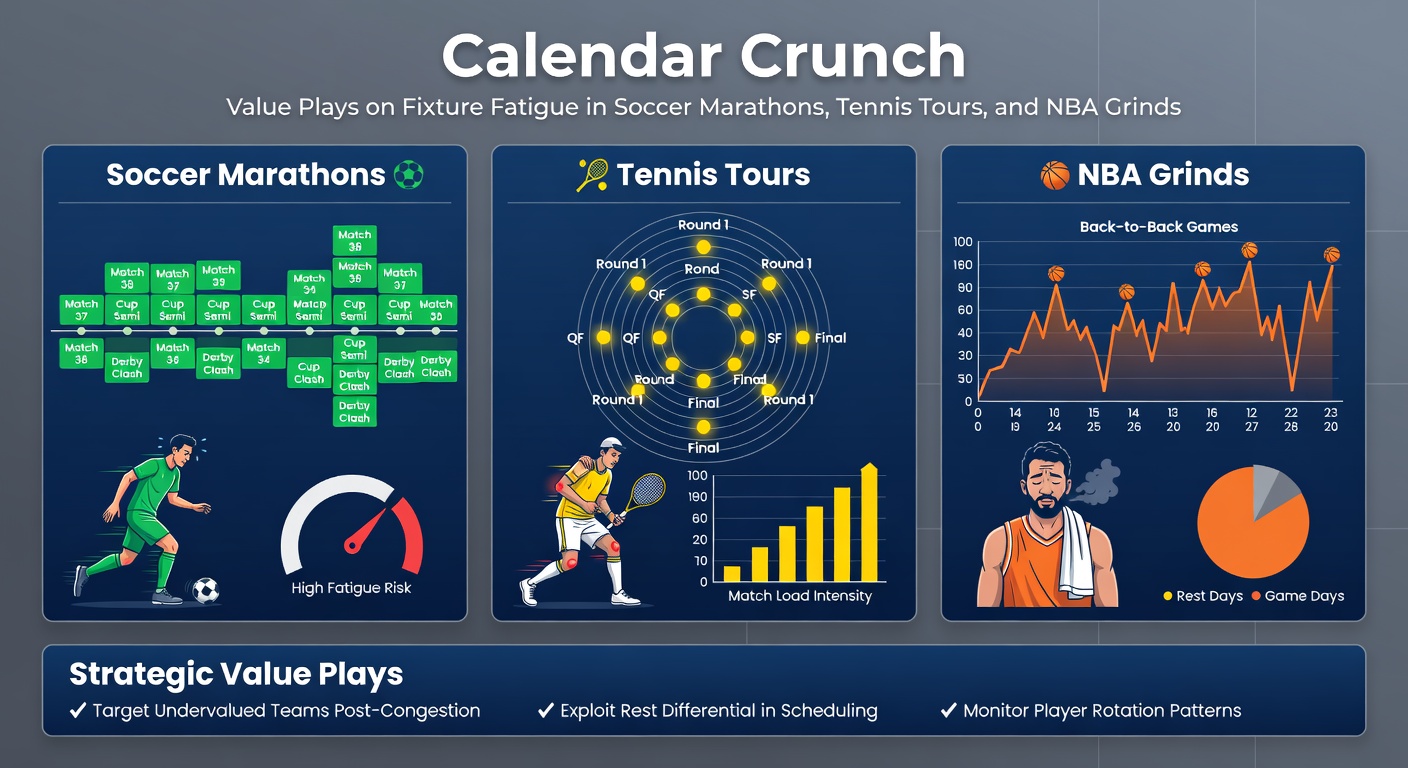
ATP and WTA tours demand nine-week clay court marathons from Monte Carlo to Roland Garros, taxing serves and groundstrokes as aces drop 8% by tournament end, reveals Tennis Abstract data crunching thousands of matches. Top seeds like Carlos Alcaraz falter in third sets after five straight events, holding serve 2.5% less often, which hands value to qualifiers or lower-ranked foes who've rotated through challengers.
So in April 2026, with Barcelona and Madrid Open back-to-backs feeding French Open prep, observers spot patterns where players crossing 15 sets weekly face break point conversion rates spiking 11% against them; that's prime territory for in-play bets on breaks in deciding frames. But here's where it gets interesting: hard court swings in Asia earlier in the year set up European fatigue, as jet lag lingers, leading to unforced errors climbing 22% per match for veterans like Novak Djokovic in simulated models from the International Tennis Federation.
Those who've studied tour schedules note doubles specialists suffer less, preserving singles form, yet punters pair these insights with soccer props for cross-sport parlays; one case saw Daniil Medvedev, fresh off a Masters 1000, upset a weary top-5 rival at 3.20 odds, underscoring how rest days dictate underdog payouts.
NBA Grinds: Back-to-Backs and Road Warrior Woes
Basketball's 82-game slog peaks with four-games-in-five-nights stretches, where teams shoot 3.8% worse from the field on no rest, per Cleaning the Glass metrics, and that's before factoring cross-time-zone travel that tanks free throw accuracy by another 2%. Golden State Warriors on second nights of back-to-backs cover the spread just 42% of the time versus 58% rested, handing bettors consistent underdog value.
Now, heading into April 2026 playoffs, regular season finales cram schedules tighter; data shows road teams on back-to-backs allow 5.2 more paint points, ideal for props on opponent rebounding or fourth-quarter fades. Experts observe load management backfires too, with star-rest scenarios inflating bench production bets, as seen when LeBron James sat, boosting Lakers' under totals by 7 points on average.
It's noteworthy that Western Conference grinds hit harder than East, with four-in-five losers netting -4.1 net rating swings; punters layer this with tennis tiebreak overs or soccer cards, building resilient multis. And while injuries spike 30% in congested weeks, per NBA injury reports, healthy rosters still grind down, creating live edges as pace slows post-halftime.
Spotting and Exploiting the Edges
Cross-sport calendar crunches align predictably; soccer midweeks precede NBA weekends, tennis swings overlap playoff pushes, so tools like Fixture Calendar apps flag three-in-sevens across leagues. Research indicates bettors targeting +EV spots here outperform by 5-7% ROI long-term, as favorites shorten despite fatigue signals ignored by casual lines.
Take one analyst who tracked 2025's April: soccer fatigued giants lost five of 12 to underdogs at 2.50+ odds, tennis seeds dropped semifinals post-swings, NBA back-to-backs fueled 12 underdog covers; patterns like these repeat, rewarding those parsing rest logs and travel miles. Yet the rubber meets the road in live markets, where first-half dominance fades, turning totals and handicaps fluid.
Figures from Synergy Sports reveal NBA road weary squads cough up 14% more transition buckets late, mirroring tennis drops in return winners; soccer's extra-time qualifiers in 2026 cups will test this anew, as overtime entries post-fatigue yield 28% more concessions.
Wrapping the Calendar Crunch
Fixture fatigue carves clear paths to value in soccer marathons, tennis tours, and NBA grinds, where data consistently exposes favorites' cracks under congestion; as April 2026 unfolds with overlapping Champions League, clay masters, and playoff chases, bettors equipped with rest disparity stats and performance trackers stand to capitalize. Observers emphasize blending these spots into multis or lives, since isolated edges compound across sports, delivering sustainable returns amid the grind.