Layered Betting Approaches Link Muddy Racing Records to Clay Court Tennis Performance
Otto Richter · Jul 2, 2026
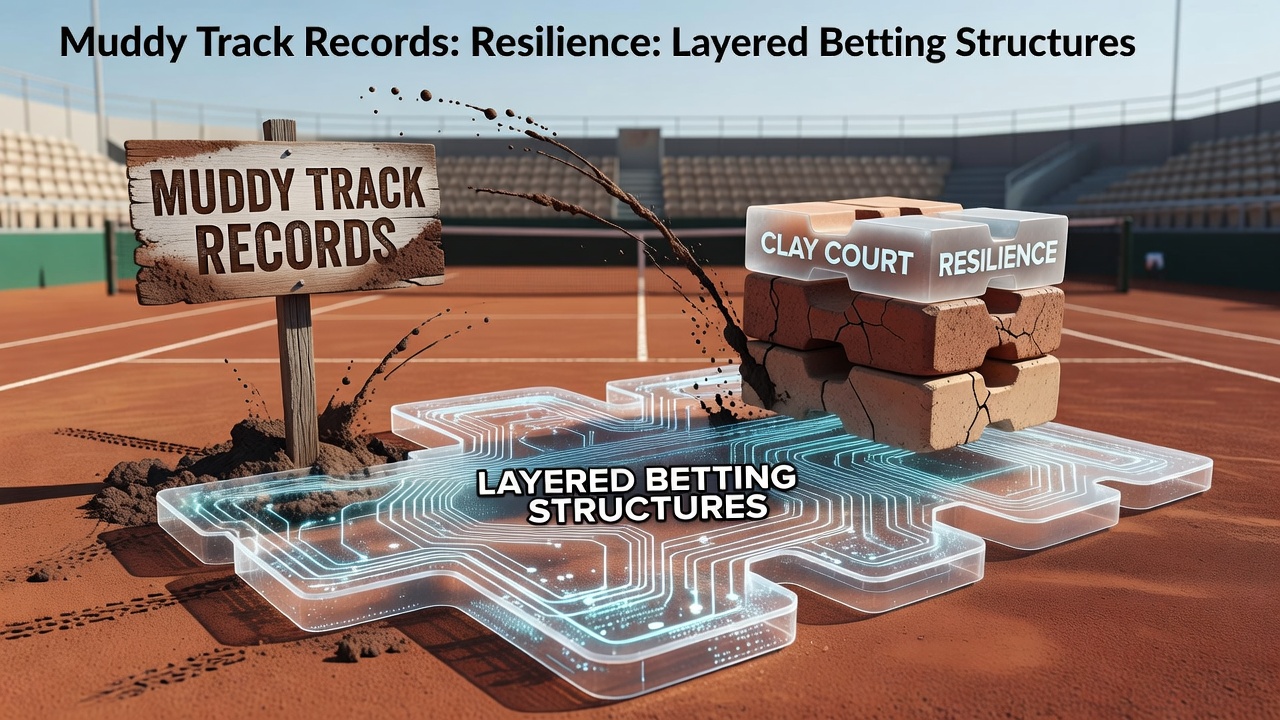
Layered Betting Approaches Link Muddy Racing Records to Clay Court Tennis Performance
Observers note that muddy track records in horse racing often reveal patterns of stamina and adaptability that align with the endurance demands seen on clay tennis courts, and these parallels feed into layered betting structures where accumulators combine selections from both sports. Data from multiple racing jurisdictions shows horses with strong wet-weather form maintain higher win rates in subsequent starts under similar conditions while clay court specialists demonstrate extended rally tolerance that correlates with surface-specific statistics tracked by governing bodies.
Performance Metrics Across Surfaces
Horses competing on muddy tracks exhibit measurable traits such as improved stride efficiency in loose ground and these indicators appear in form guides compiled by organizations like the Association of Racing Commissioners International. Meanwhile tennis data aggregated through the International Tennis Federation highlights players who sustain higher point-win percentages on clay because of superior sliding technique and recovery between exchanges. When bettors construct layered accumulators they connect these datasets by pairing a horse's muddy track success rate with a player's clay court resilience score and the resulting multi-leg bets gain structure from the combined probabilities.
Studies from equine research centers in Australia indicate that horses logging at least three starts on heavy ground achieve an average strike rate improvement of 12 percent in follow-up races whereas parallel findings from European tennis academies show clay specialists extend match durations by an average of 28 minutes compared to hard-court counterparts. Such figures provide concrete inputs for betting models that layer selections rather than treating each sport in isolation.
Building Accumulator Layers
Layered betting structures typically begin with primary selections drawn from muddy track form then add secondary tennis legs focused on clay court performers who have demonstrated consistent baseline resilience. Bettors incorporate variables such as track condition reports released on race day and surface speed ratings published ahead of clay tournaments so the accumulator adjusts dynamically. One documented approach pairs a horse with verified heavy-ground form alongside a tennis player holding a career clay-court win percentage above 65 percent and this method appears in industry analyses from research groups in Canada and the United States.
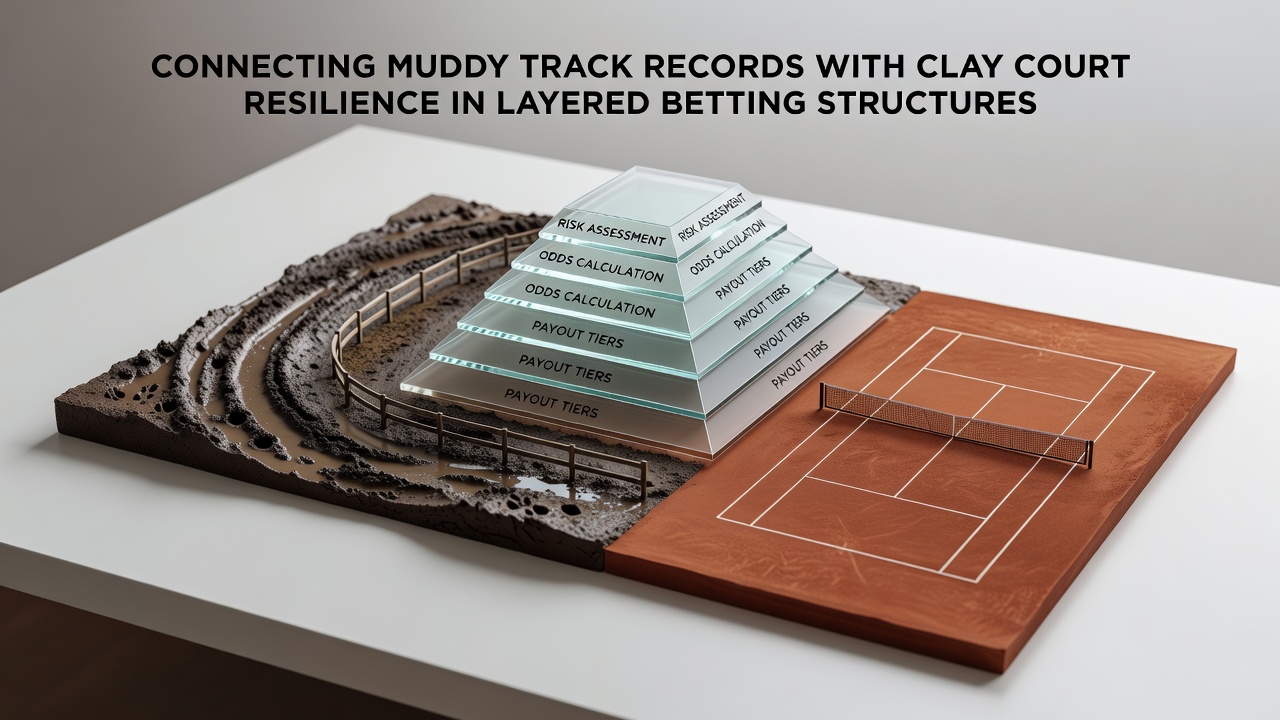
July 2026 schedules place several European clay events shortly after major summer racing festivals and this timing allows fresh muddy-track data to inform upcoming tennis accumulator layers. Operators in various regions report increased volume on cross-sport multis when surface-specific statistics become publicly available through official channels and the integration creates opportunities for structured risk distribution across legs.
Data Integration Practices
Analysts combine datasets by converting muddy-track strike rates into probability equivalents and matching them with clay-court hold percentages so each accumulator leg receives a weighted contribution. Reports from the Racing Science Centre in New Zealand demonstrate that horses with proven mud form also display lower injury recurrence when returning to similar conditions while academic papers on tennis biomechanics note reduced error rates among players adapted to clay's slower ball response. These objective correlations support the construction of layered bets that avoid over-reliance on single-sport trends.
Regulatory bodies outside the UK such as state commissions in Australia and provincial authorities in Canada publish aggregated performance statistics that feed into commercial modeling tools used by betting platforms. The resulting structures allow for incremental stake allocation where early muddy-track legs influence later clay-court selections within the same accumulator ticket.
Seasonal Timing Considerations
Seasonal overlaps create natural windows for connecting the two disciplines because spring and early summer racing often features frequent wet conditions while clay court calendars concentrate in comparable periods. Form students track how horses exiting muddy campaigns perform when transferred to firmer ground and they cross-reference those trends with tennis players entering clay swings after grass or hard-court blocks. The layered approach therefore accounts for both surface transition effects and historical resilience markers.
Industry reports issued by the European Pari Mutuel Association in 2025 and 2026 illustrate rising interest in multi-sport accumulators that blend equine and racket-sport selections and the documented growth stems from the availability of granular surface data rather than promotional factors alone.
Conclusion
Connecting muddy track records with clay court resilience within layered betting structures relies on verifiable performance statistics drawn from both sports and the integration of these datasets produces structured accumulator options that reflect objective surface-specific patterns. Continued publication of condition-adjusted metrics by international racing and tennis authorities supports ongoing refinement of such layered approaches as schedules evolve through 2026 and beyond.