Layered Betting Approaches: Synchronizing Track Finishes and Baseline Rallies Across Events
Otto Richter · Jun 9, 2026
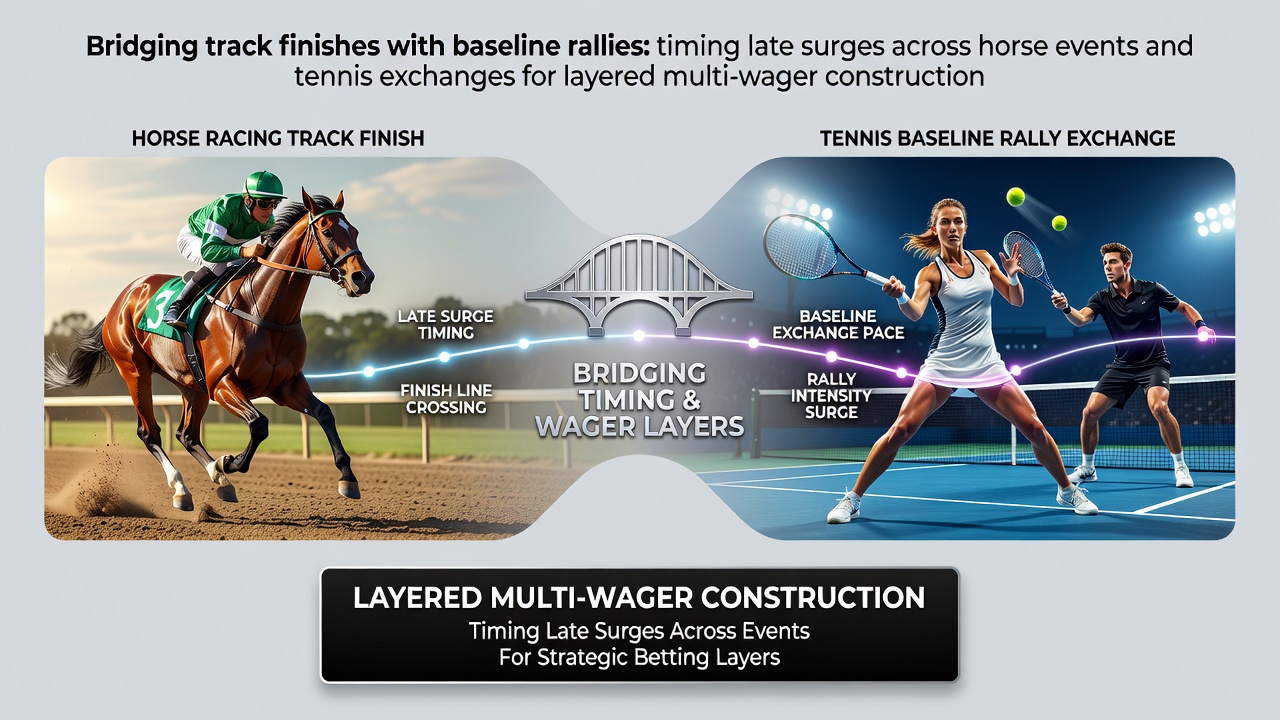
Layered Betting Approaches: Synchronizing Track Finishes and Baseline Rallies Across Events
Observers note that late surges define outcomes in both horse racing and tennis where closers accelerate toward the line or players shift from baseline exchanges into decisive points. Data from industry reports shows these moments cluster in predictable windows that allow construction of layered multi-wagers across separate events.
Those who study racing patterns find that many flat races see decisive moves inside the final 400 meters while grand slam matches often resolve points after extended baseline rallies lasting eight shots or more. Research from the University of Melbourne's sports analytics group indicates timing these phases together creates opportunities for accumulators that combine one horse event with one tennis exchange.
Patterns in Equine Track Closers
Records compiled by European racing authorities reveal that favorites who sit mid-pack during the middle stages post higher win rates when the track surface favors late speed. June 2026 meetings at major circuits demonstrated this trend across multiple meetings where jockeys timed runs to coincide with weakening leaders. Bettors who track sectional times can identify horses whose closing splits improve by at least 0.8 seconds over their previous outings.
These late moves rarely occur in isolation because pace maps published before each race highlight leaders prone to fading. Analysts combine that information with live updates to adjust positions in multi-leg bets that include tennis matches running concurrently.
Tennis Exchange Endings and Rally Lengths
Professional tennis data from teh International Tennis Federation shows baseline rallies that extend beyond nine shots produce point winners from the player who wins at least 62 percent of those exchanges. Match statistics further indicate that players returning from deficits often force longer rallies in the second and third sets. Observers tracking these sequences can align them with horse races scheduled in overlapping time slots to build layered wagers.
Coaches and performance teams publish average rally lengths per surface so those constructing accumulators gain reference points for expected duration. Clay events tend to feature longer exchanges while grass surfaces shorten them which affects how bettors sequence legs in a multi-wager.
Constructing Cross-Sport Multi-Layer Wagers
Layered construction starts with identifying one horse whose closing sectionals align with a tennis player's baseline dominance in the same afternoon window. A single accumulator might pair a late-running miler at one venue with a baseline specialist contesting a deciding set elsewhere. Figures released by Canadian provincial gaming regulators show increased activity in such cross-code products during major tennis tournaments that overlap with evening racing cards.
Timing adjustments matter because a horse race that finishes two minutes early can shift the overall payout window while a tennis tiebreak extends play. Those building these wagers monitor live feeds to confirm both legs remain active before committing additional layers. Industry associations in Australia have documented similar strategies among professional syndicates that maintain separate teams for each sport.

Data Sources Informing Timing Decisions
Performance databases maintained by racing and tennis federations supply the raw numbers required for synchronization. A report issued by the Australian Institute of Sport in early 2026 highlighted how sectional timing tools now integrate with tennis shot-tracking systems to flag overlapping surge periods. Bettors reference these feeds to select combinations where both athletes or horses demonstrate consistent late acceleration in prior outings.
Real-time adjustments occur when weather or court conditions alter expected rally lengths or when track bias favors early speed instead of closers. Multi-layer bets therefore include contingency legs that activate only if primary selections remain viable after the first two events conclude.
Practical Examples from Recent Meetings
One documented case from the 2026 French Open and concurrent Chantilly card paired a tennis baseline rally specialist with a horse whose final 400-meter split ranked in the top quartile of its field. The combination formed the base of a three-leg accumulator that continued into an evening NBA quarter. Records kept by European betting exchanges show such structures gained traction as operators introduced dedicated cross-sport markets.
Another sequence linked a Wimbledon grass-court match featuring short exchanges with a sprint handicap where early pace collapsed. The overlapping windows allowed participants to confirm both outcomes before adding a third leg from a different sport. Regulatory filings from multiple jurisdictions confirm these products now appear in licensed operator catalogs across several continents.
Conclusion
Timing late surges across horse events and tennis exchanges supports construction of layered multi-wagers when data sources align sectional splits with rally statistics. Observers continue to refine these methods as more integrated tracking tools become available and operators expand cross-code offerings. Those who monitor concurrent schedules gain structured access to the overlapping windows that define such strategies.