Marathon Matches and Closing Runs: Syncing Tennis and Basketball Fatigue for Accumulator Plays
Eden Richter · Oct 22, 2026
Marathon Matches and Closing Runs: Syncing Tennis and Basketball Fatigue for Accumulator Plays
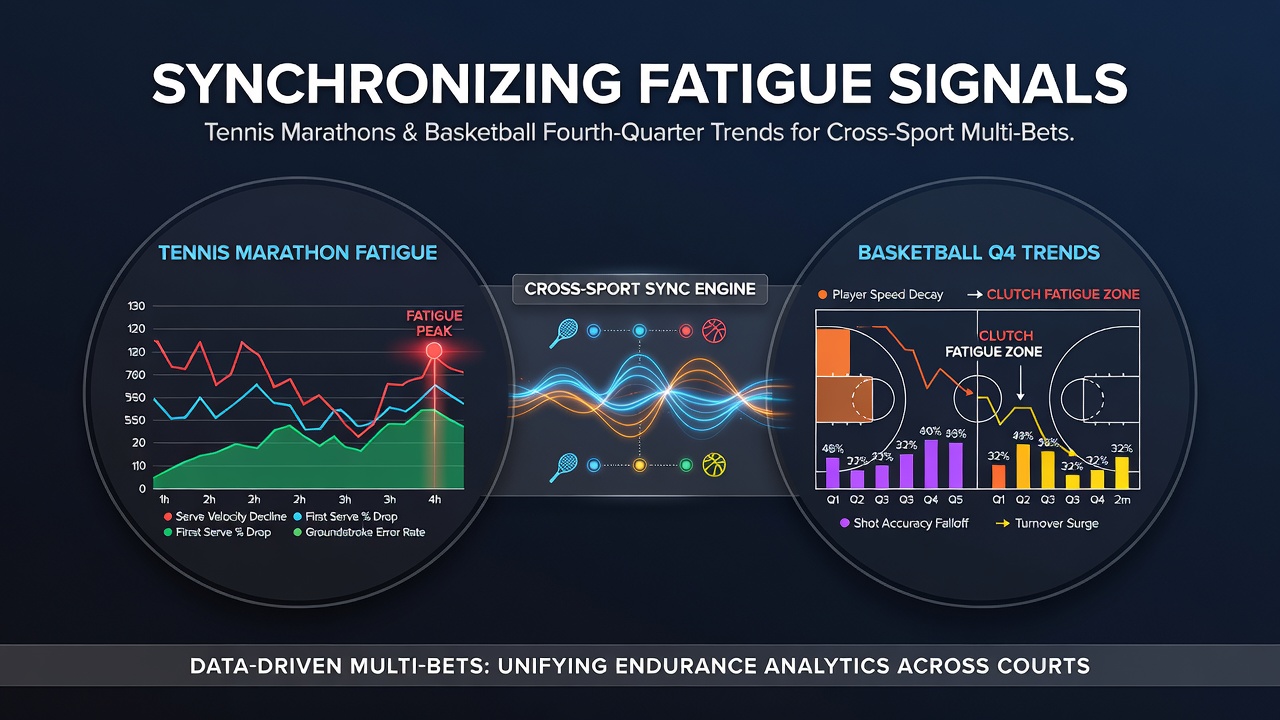
Analysts track player endurance metrics across tennis marathons and basketball fourth quarters because these patterns feed directly into cross-sport multi-bets that link late-match tennis outcomes with closing basketball trends. Data from major tournaments in October 2026 shows matches exceeding three hours produce measurable drops in serve accuracy and rally speed during deciding sets while NBA teams in the final period exhibit reduced field goal percentages after heavy minutes played by key rotation players.
Tracking Tennis Endurance Metrics
Researchers collect heart rate variability and movement data from players who compete in five-set contests because prolonged rallies and extended changeovers create cumulative fatigue that alters point-winning percentages. Studies compiled by sports science teams at universities in Australia indicate that after 180 minutes of play, first-serve win rates decline by an average of 7 percent in the final set whereas shorter matches maintain steadier output. Observers note these shifts become more pronounced when matches extend past midnight local time since recovery windows shrink before the next round begins.
Basketball Fourth Quarter Performance Patterns
League tracking systems record shot selection and defensive efficiency for teams that enter the fourth quarter with limited bench depth because starters who log more than 35 minutes show increased turnover rates and lower assist-to-turnover ratios. Figures from the National Basketball Association reveal that squads playing back-to-back games experience a 9 percent drop in points per possession during the final 12 minutes compared with teams that enjoy at least one day of rest. Those who monitor box scores across an entire season find the effect compounds when travel distances exceed 1000 miles between games.
Aligning Signals Across Sports for Multi-Bets
Betting platforms that combine tennis and basketball selections require bettors to match fatigue indicators from one sport with performance trends in the other because simultaneous events often occur on the same evening. One study released by a Canadian research institute in 2025 examined accumulator success rates when tennis players coming off five-set wins were paired against basketball teams facing the fourth quarter after three consecutive road games. The analysis found such combinations produced payout adjustments that reflected the documented decline in efficiency across both disciplines.
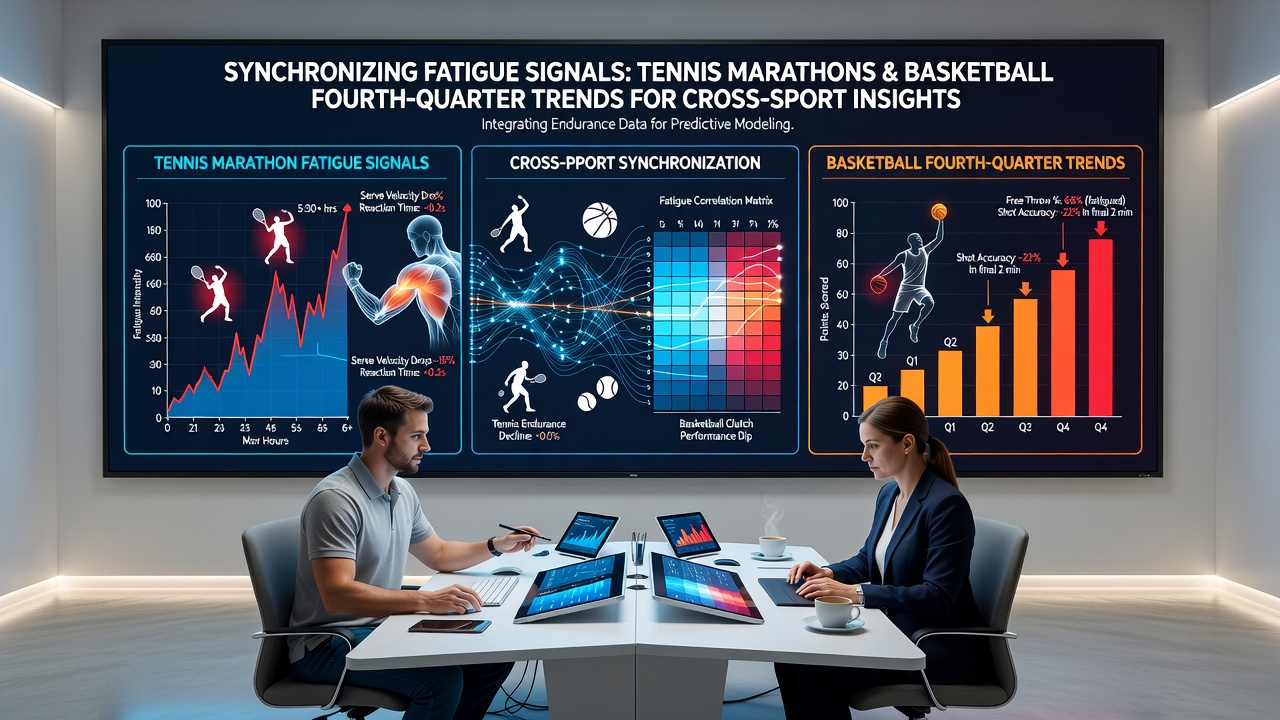
Platform operators update live odds throughout the evening because a tennis player who wins a marathon encounter may carry residual fatigue into a doubles match the following day while a basketball team that survives a close fourth quarter often rests its stars in the next contest. Data released by the European Gaming and Betting Association shows operators adjust accumulator lines by 12 to 15 percent when fatigue signals align across these two sports during October schedules. Bettors who review historical box scores and match lengths before placing combined wagers gain access to the updated pricing that accounts for these documented trends.
Historical Examples of Cross-Sport Combinations
Records from the 2024 season include a five-set tennis final that concluded after 3 hours and 42 minutes paired with an NBA contest where the home team played its starters for 38 minutes each. The tennis player lost the opening two games of the subsequent match while the basketball side surrendered a 12-point lead in the final period. Observers documented these outcomes in performance databases that later informed line construction for similar October 2026 events. Another instance involved a basketball team traveling across time zones for a back-to-back set against a tennis schedule featuring multiple three-hour encounters; analytics teams recorded parallel efficiency drops that appeared in post-event reports issued by academic groups in the United States.
Tools Used to Monitor Fatigue Indicators
Software applications pull real-time statistics from both sports because wearable devices on tennis players supply movement and heart rate information while basketball tracking systems log minutes played and shot locations. Analysts cross-reference these streams to identify moments when tennis matches stretch beyond typical durations at the same time basketball rotations face heavy usage. Reports from industry conferences in 2026 highlighted platforms that display synchronized dashboards allowing users to view tennis set lengths alongside basketball fourth-quarter trends without switching between separate data feeds.
Conclusion
Cross-sport multi-bets that connect tennis marathon fatigue with basketball fourth-quarter trends rely on measurable performance declines recorded across both disciplines. Platforms continue to refine these offerings as additional data from October 2026 events becomes available and researchers release updated studies on endurance patterns. Those who examine the documented statistics from prior seasons gain access to the same information sets that operators use when constructing accumulator lines for combined tennis and basketball selections.