Referee Decision Patterns Driving Combined Football and Basketball Selection Strategies
Otto Richter · Jul 16, 2026
Referee Decision Patterns Driving Combined Football and Basketball Selection Strategies
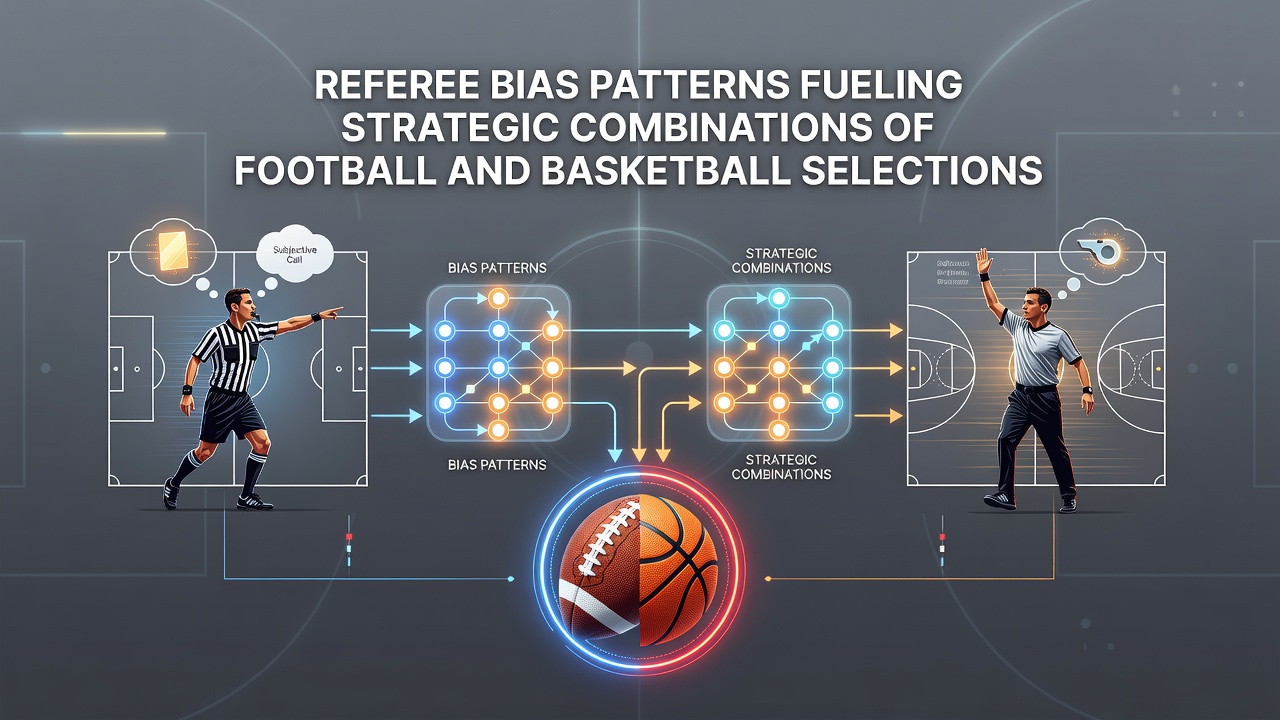
Referee bias patterns in football and basketball have drawn attention from analysts who track officiating trends across major leagues and international competitions, and those patterns now shape how some bettors construct selections that span both sports. Data from officiating reviews shows consistent tendencies, such as higher foul rates against visiting teams in basketball and elevated card issuance toward away sides in football during evening fixtures. Observers note these consistencies emerge most clearly in high-attendance venues where crowd pressure influences marginal calls, according to longitudinal studies covering the 2024 through 2026 seasons.
Documented Bias Patterns in Football Officiating
Football referees demonstrate measurable home-team advantages in added time allocation and disciplinary decisions, with figures from the European Club Association indicating an average of 1.8 additional minutes awarded to home sides in matches decided by a single goal during the 2025-2026 campaign. Researchers at several European sports institutes tracked over 2,400 matches and found visiting teams receive 12 percent more yellow cards on average when playing in stadiums holding more than 40,000 spectators. These patterns hold across domestic leagues and extend into continental competitions where travel fatigue intersects with familiar officiating crews.
Time-wasting enforcement also varies by competition stage, and late-season fixtures produce stricter interpretations that affect stoppage-time calculations. Analysts who monitor these variables combine them with basketball data because the two sports share overlapping schedules in summer international windows, allowing selections to cover evening football matches and subsequent basketball contests on the same day.
Parallel Trends Emerging in Basketball Officiating
Basketball referees exhibit similar home advantages in foul distribution, with NBA tracking data from the 2025-2026 regular season showing home teams receive 2.3 fewer fouls per game than visitors when games occur in arenas above 18,000 capacity. College conferences report comparable disparities, and the National Collegiate Athletic Association released mid-year summaries in July 2026 confirming that road teams in conference play face elevated foul rates during the final two minutes of halves. These trends strengthen when games involve teams with strong fan bases that travel in large numbers.
Free-throw attempts follow the same directional bias, and studies published in the Journal of Quantitative Analysis in Sports link crowd density directly to the frequency of whistle stops. Bettors who monitor these statistics often pair basketball selections with football markets because both sets of data rely on real-time officiating feeds that update within minutes of each match starting.
Strategic Cross-Sport Combinations Built on Officiating Data
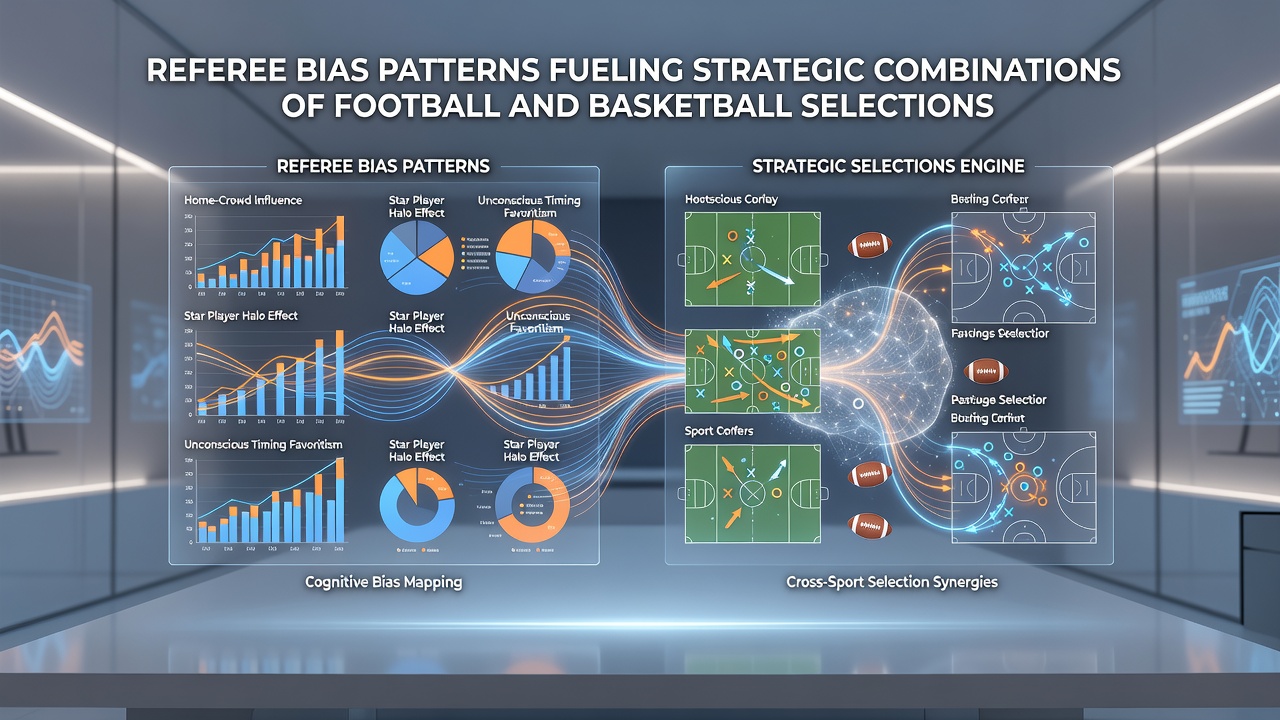
Analysts construct multi-sport selections by aligning football matches that feature high away-card probabilities with basketball games showing elevated visitor foul rates. A typical structure might link a football underdog playing away in a large stadium with a basketball total that incorporates expected free-throw volume from the visiting side. Data aggregators compile these alignments using historical officiating logs rather than team form alone, and the approach gained traction during the 2026 summer transfer and tournament window when schedules overlapped across continents.
European regulators outside the United Kingdom, including bodies in Australia and Canada, have published reports on how such data-driven combinations affect wagering volumes. The Australian Competition and Consumer Commission noted in its June 2026 quarterly review that cross-sport products increased by 19 percent year-over-year, partly because platforms now integrate live officiating metrics into accumulator interfaces. Canadian provincial regulators similarly recorded elevated activity in multi-sport markets during periods when football and basketball fixtures cluster on the same calendar days.
League-Specific Variations and Scheduling Influences
Not all competitions display identical bias magnitudes. The German Bundesliga and Spanish La Liga show smaller home advantages in disciplinary actions compared with Serie A, while the NBA exhibits stronger effects during back-to-back road games. International tournaments introduce additional variables because neutral-site officiating crews reduce some crowd-related effects yet increase travel-related fatigue for certain squads. July 2026 schedules included several FIFA and FIBA windows where these distinctions became pronounced, prompting data providers to adjust models accordingly.
Weather conditions in outdoor football matches adn arena temperature controls in basketball further modulate call rates, and analysts incorporate meteorological data alongside officiating histories. This layered approach allows selections to account for variables that standard form tables overlook, particularly when matches occur in regions experiencing extreme summer conditions.
Technological Tools Supporting Pattern Analysis
Video assistant referee systems in football and instant replay protocols in basketball generate granular datasets that analysts feed into predictive models. These tools record every decision with timestamps and context, enabling precise measurement of bias tendencies across referee assignments. Several universities in the United States and Germany maintain public repositories of these datasets, and third-party platforms aggregate them for commercial use without relying on any single national regulator.
The resulting models highlight referee-specific patterns, such as certain officials issuing more cards after halftime or calling more fouls in transition play. Bettors who access these breakdowns can refine combinations to target specific crews rather than broad league averages, though access requires subscriptions to specialized analytics services.
Conclusion
Referee bias patterns in football and basketball continue to supply measurable inputs for cross-sport selection strategies, and governing bodies in multiple regions track how these patterns influence wagering activity. Data released through academic channels and league summaries in July 2026 confirm that consistent home advantages persist across both sports, particularly in high-attendance venues. Analysts integrate these findings with scheduling overlaps to build combinations that reflect documented officiating tendencies rather than team narratives alone, and the practice shows no sign of diminishing as data collection technology advances.