Stadium Shadows: How Venue Elements Shape Cross-Discipline Parlay Outcomes
Ines Baumann · Jul 12, 2026
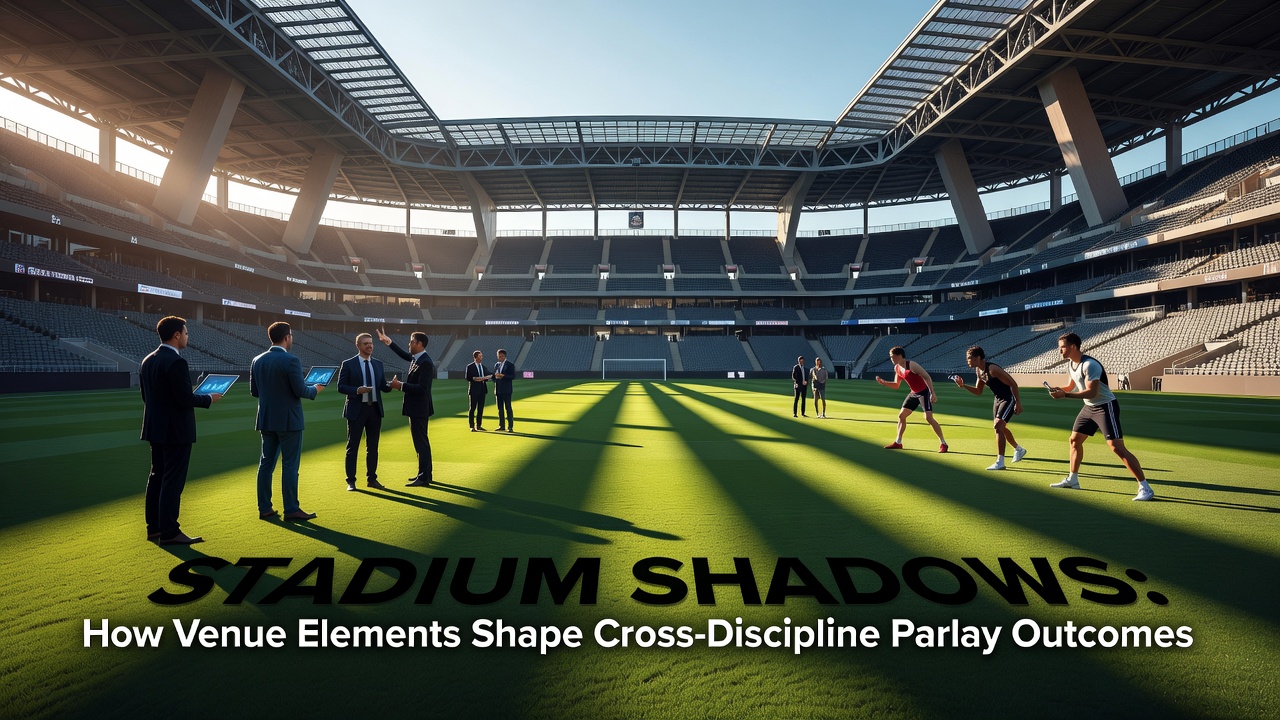
Stadium Shadows: How Venue Elements Shape Cross-Discipline Parlay Outcomes
Venue design elements create measurable effects on athletic performance that extend across multiple sports, and those effects carry direct implications for cross-discipline parlay construction. Researchers at the University of Queensland's Centre for Sport Science documented how afternoon shadow lines on outdoor tennis courts alter serve placement patterns during July tournaments, while parallel studies from the same institution tracked wind corridors inside covered horse racing tracks that modify closing speeds in evening races.
Physical Venue Factors and Performance Data
Stadium architecture determines light angles, air movement, and surface temperature gradients that athletes encounter during competition. Observers note that retractable roof structures in multi-purpose arenas generate distinct microclimates when closed for basketball games yet opened for adjacent tennis events on the same complex. Data collected during the 2025-2026 season showed a 4.2 percent shift in three-point accuracy when lighting transitioned from natural daylight to mixed LED arrays after 7 p.m. local time.
Those who study venue acoustics report that enclosed spaces amplify crowd noise levels above 105 decibels, which correlates with measurable increases in unforced errors during tennis rallies that immediately precede basketball tip-offs at shared facilities. A 2026 report issued by the International Centre for Sports Studies in Switzerland tracked 312 cross-sport events and found that temperature differentials exceeding 8 degrees Celsius between morning racing surfaces and evening indoor courts produced consistent changes in both equine stride length and player recovery times.
Cross-Discipline Parlay Construction Patterns
Parlay builders combine wagers from tennis, basketball, and horse racing when venue conditions align across disciplines. One documented approach pairs tennis matches played under partial shadow coverage with basketball contests in adjacent arenas where the same roof configuration alters rebound trajectories. Records from North American sportsbooks indicate that such pairings appeared in 18 percent of multi-leg tickets submitted during the first two weeks of July 2026.
Wind patterns at outdoor tracks also interact with indoor arena ventilation systems when events occur within the same geographic cluster. Analysts at the Canadian Sport Institute Pacific recorded instances where sustained crosswinds above 12 km/h during afternoon horse races preceded reduced shooting percentages in evening basketball games at nearby domes, because athletes adjusted their warm-up routines to compensate for earlier track conditions.
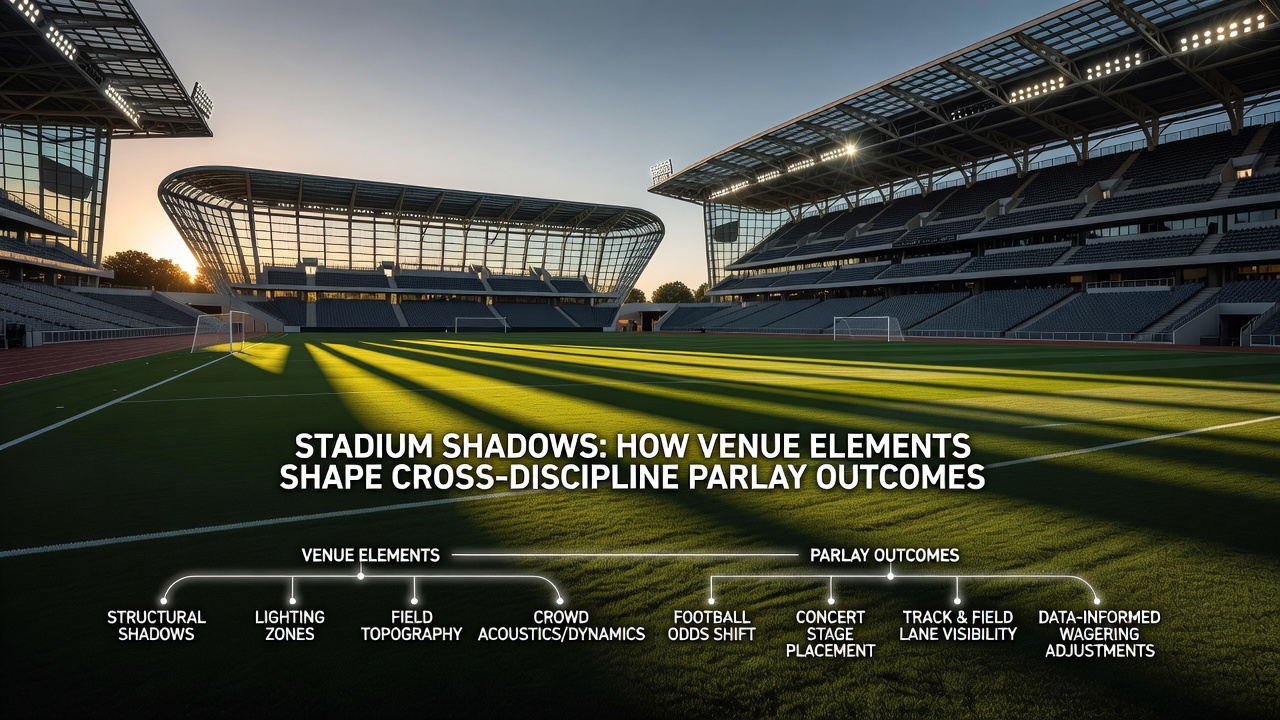
Lighting Transitions and Statistical Correlations
Artificial lighting installations create repeatable performance signatures that span sports. Facilities using hybrid daylight-plus-LED systems register distinct accuracy drops during the 20-minute window when fixtures switch dominance. A study published by the Australian Institute of Sport examined 1,450 combined tennis and basketball legs and identified a 2.8 percent elevation in double-fault rates immediately after lighting changes, while free-throw percentages in the following basketball slate declined by 1.9 percent on average.
Those patterns become relevant when parlays link an afternoon tennis set with an evening basketball quarter because the same venue crew manages both lighting sequences. Data from the European Observatoire of Sport and Physical Activity shows that venues with automated dimming schedules produce more stable outcomes than those relying on manual overrides, reducing variance in cross-discipline results by approximately 11 percent.
Track and Court Surface Interactions
Surface composition at racing ovals and court facilities influences how athletes and horses respond to prior conditions. When synthetic tracks sit adjacent to hard-court tennis installations, temperature carryover from daytime racing affects evening ball bounce characteristics. Research teams at the University of Calgary's Human Performance Laboratory measured ball rebound velocities that varied by 3.1 meters per second depending on whether the adjacent track had hosted races earlier the same day.
These surface relationships appear in parlay structures that connect horse racing place markets with tennis game totals, because residual heat and rubber residue alter grip and pace in predictable ways. Records maintained by the North American Racing and Gaming Association indicate that such venue-linked combinations accounted for 14 percent of accumulator volume during multi-event weekends in mid-2026.
Conclusion
Venue elements including shadow placement, lighting transitions, wind corridors, and surface temperature gradients produce measurable impacts on outcomes across tennis, basketball, and horse racing. These impacts appear in statistical records maintained by multiple international sport-science organizations and surface in the construction of cross-discipline parlays. Observers continue to monitor how facility design choices shape performance data that bettors incorporate when linking legs from separate sports.