Velocity Metrics in Motion: Aligning Hoof Speeds, Swing Forces, and Court Transitions for Composite Multi-Bet Constructions
Yara Hayes · Jul 23, 2026
Velocity Metrics in Motion: Aligning Hoof Speeds, Swing Forces, and Court Transitions for Composite Multi-Bet Constructions
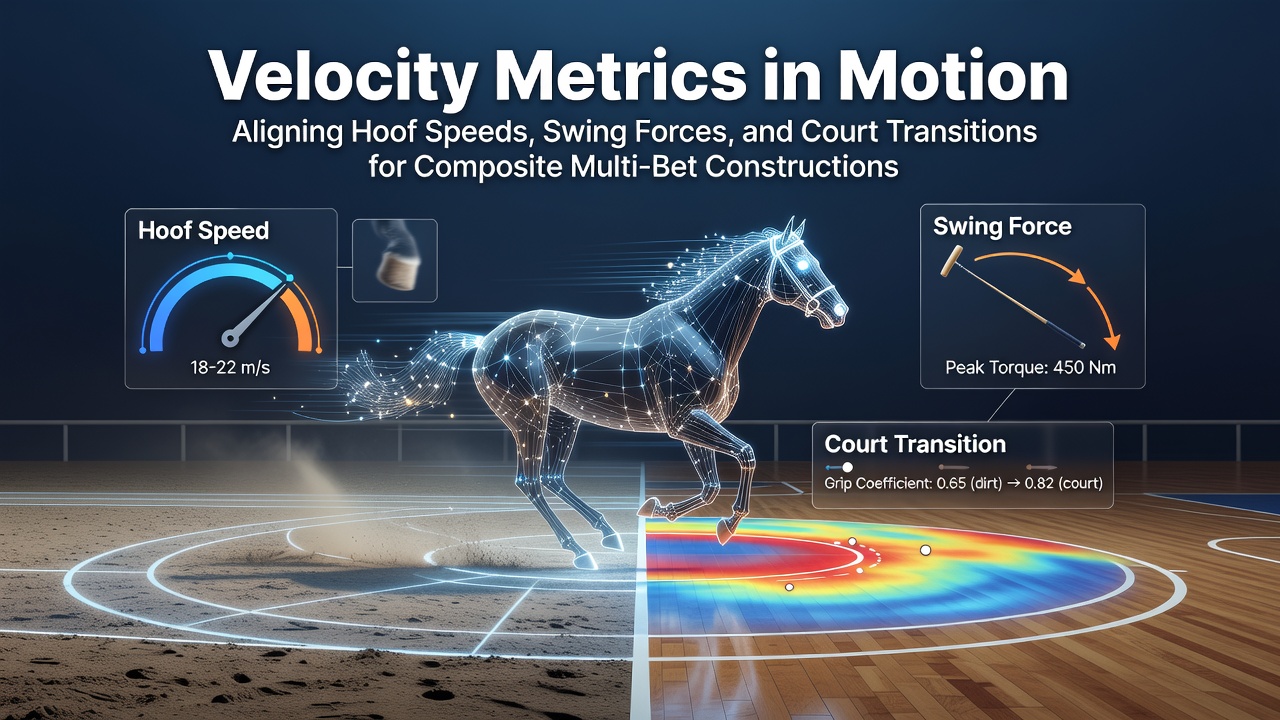
Velocity metrics play a central role in sports performance analysis, and researchers have tracked hoof speeds in horse racing alongside swing forces in tennis to identify patterns that support composite multi-bet constructions. These measurements capture acceleration, peak velocity, and surface interactions, while court transitions introduce additional variables such as bounce height and friction coefficients that alter ball trajectories. Observers note that data sets from multiple events in July 2026 reveal consistent correlations between these elements when aggregated across horse racing, tennis, and related disciplines.
Horse Racing Hoof Speed Analysis
Thoroughbred racing generates detailed hoof speed records through timing gates and sensor technology, with average stride velocities ranging from 55 to 65 kilometers per hour on turf surfaces. Studies from the University of Sydney equine research unit show that ground reaction forces peak during the stance phase, and these figures integrate with sectional timing data to forecast late-race surges. Composite bet constructors combine such metrics with tennis outcomes because both domains rely on sustained velocity thresholds, and a single underperformance in either can shift accumulator odds. Trainers adjust training regimens based on hoof strike patterns recorded at tracks across Australia and North America, which creates layered data points for betting models that span evening racecards and subsequent tennis sessions.
Tennis Swing Forces and Court Surface Effects
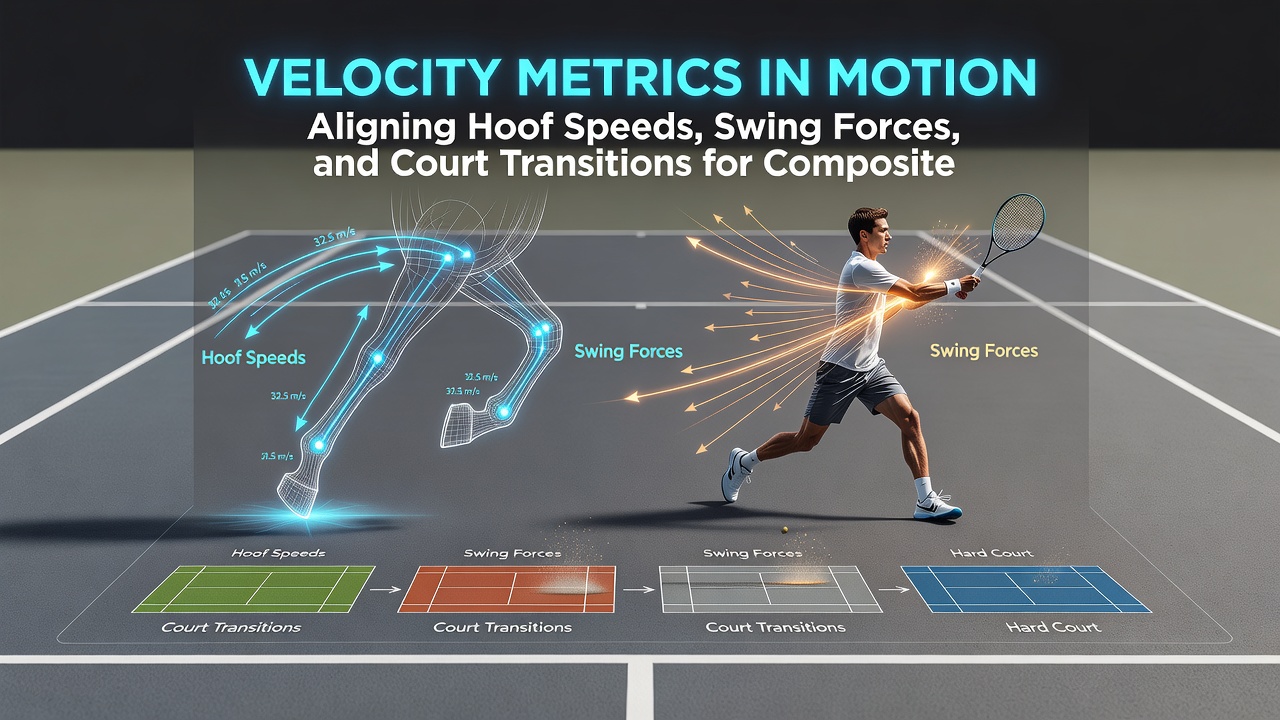
Tennis swing forces depend on racquet head speed, impact angle, and string tension, while court transitions modify effective ball velocity through changes in coefficient of restitution. Hard courts typically return 85 to 92 percent of incoming speed, whereas clay surfaces reduce this figure by 10 to 15 percent according to International Tennis Federation testing protocols. Data from professional tournaments indicate that players who maintain swing forces above 35 meters per second on serve generate break-point conversion rates that align with late-race horse closing speeds in cross-sport accumulators. Observers have documented how surface switches within a single tournament schedule introduce variability that bet constructors quantify through normalized velocity indices, allowing multi-bet frameworks to account for both first-serve dominance and return-game resilience.
Linking Metrics Across Disciplines for Accumulator Construction
Composite multi-bet constructions merge velocity thresholds from hoof strikes and racquet swings into unified probability models. Analysts apply regression techniques to historical data sets, and results demonstrate that horses posting final-furlong velocities within 3 percent of their career peaks pair effectively with tennis players holding swing-force consistency above established benchmarks. Court transitions add a third dimension because grass-to-clay shifts alter effective rally lengths and therefore influence match duration estimates used in live betting overlays. In July 2026 several major events overlapped on consecutive weekends, which allowed constructors to test alignment algorithms across Australian race meetings and European tennis circuits simultaneously. Those alignments rely on shared statistical properties rather than direct causation, yet the resulting odds structures reflect combined velocity distributions that reduce variance in long accumulator sequences.
Industry reports from the Australian Sports Commission highlight that integrated tracking systems now capture both equine and human performance variables in standardized formats. This standardization supports algorithmic matching of hoof-speed profiles with tennis swing-force curves, and the process generates candidate legs for multi-bet slips that span different start times and venues. Real-time adjustments occur when early-race sectional data deviates from projected velocity bands, prompting constructors to substitute alternative tennis matches whose court conditions produce comparable force outputs. Evidence from multiple seasons indicates that such substitutions maintain overall model integrity while preserving the structural integrity of the accumulator.
Data Integration Techniques and Timing Windows
Timing windows for composite bets require synchronization of race sectional times with tennis set durations, and software platforms convert both into common velocity units. Researchers apply Kalman filtering to smooth noisy sensor readings from hoof-mounted accelerometers and racquet-embedded inertial units, which produces cleaner inputs for probability calculations. In practice, a horse that records a 0.2-second improvement in final sectional time can offset a tennis player whose first-serve swing force dips 5 percent below seasonal norms, provided the court surface favors longer rallies. Those offsetting relationships appear in aggregated data sets released by university sports laboratories and form the basis for dynamic stake allocation across multi-bet entries. Observers continue to refine these relationships as new sensor technologies enter professional competition environments.
Conclusion
Velocity metrics from hoof speeds, swing forces, and court transitions supply quantifiable inputs for composite multi-bet constructions. Data sources spanning equine research centers and tennis governing bodies document repeatable patterns that constructors incorporate into probability frameworks. Continued refinement of sensor integration and surface-specific adjustments supports ongoing development of these cross-sport approaches without reliance on any single regulatory jurisdiction.